Understanding Procure-to-Pay Automation: A Beginner's Guide
In today's rapidly evolving procurement landscape, businesses are increasingly turning to automation to optimize and streamline their processes. One area where this transformation is particularly impactful is in Procure-to-Pay Automation, a crucial component of modern supply chain management that involves the seamless integration of procurement and accounts payable processes.
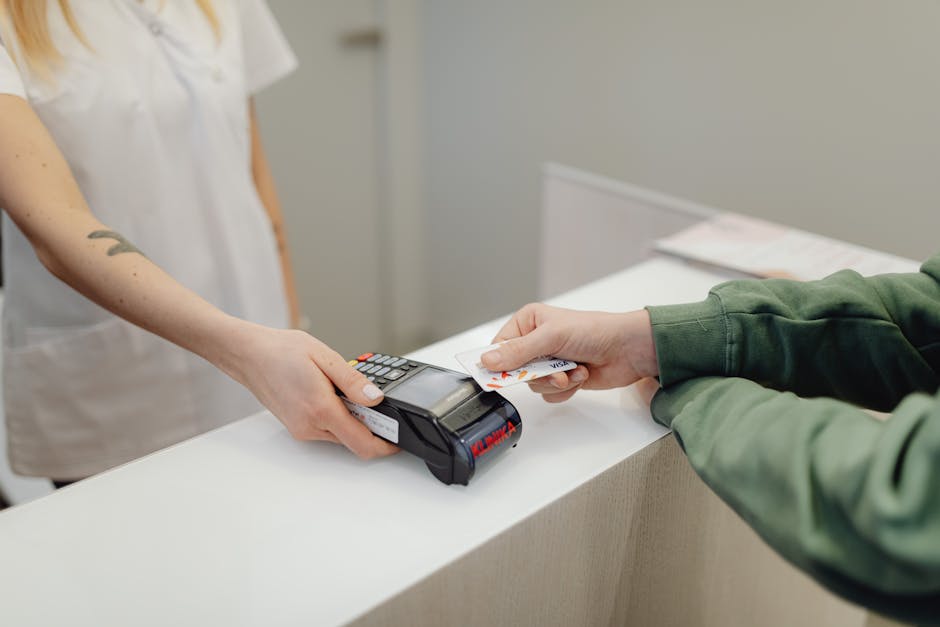
Procure-to-Pay Automation refers to the comprehensive digitization and automation of all purchasing activities within an organization, from requisition to payment, allowing for enhanced efficiency and reduced manual workload.
What is Procure-to-Pay Automation?
Procure-to-Pay (P2P) Automation involves the use of advanced technologies to manage the entire procurement process, ensuring seamless communication between suppliers and buyers. The process can include electronic purchase orders, invoice matching, and automated payment processing.
Why Procure-to-Pay Automation Matters
Streamlining Workflows
Automation simplifies complex procurement tasks, reducing time spent on manual approvals and enhancing procurement compliance. With systems like SAP Ariba and Coupa Software, organizations can manage supplier onboarding and spend under management efficiently.
- Enhanced Visibility Across the Supply Chain
- Improved Supplier Collaboration
How to Start with Procure-to-Pay Automation
For businesses looking to adopt P2P Automation, it's essential to evaluate current processes and identify areas of improvement. Engaging with solution providers for developing tailored AI solutions can be a significant step forward.
Conclusion
Embracing Procure-to-Pay Automation can transform an organization's procurement efficiency, driving down costs while improving accuracy. For those interested in further enhancement, exploring innovations such as AI Agent Solutions offers an intriguing pathway to future-proof procurement operations.


Comments
Post a Comment