The Future of Generative AI Patient Care: Trends Shaping Healthcare Through 2031
The healthcare landscape is undergoing a fundamental transformation as generative artificial intelligence moves from experimental pilot programs to core clinical infrastructure. Over the next three to five years, patient care organizations will witness unprecedented shifts in how care is delivered, coordinated, and optimized. From real-time clinical decision support to autonomous care coordination workflows, generative AI is poised to address longstanding challenges including fragmented patient data, rising care costs, and the urgent need for personalized treatment approaches. Understanding these emerging trends is no longer optional for healthcare leaders—it's essential for survival in an increasingly competitive and value-based care environment.
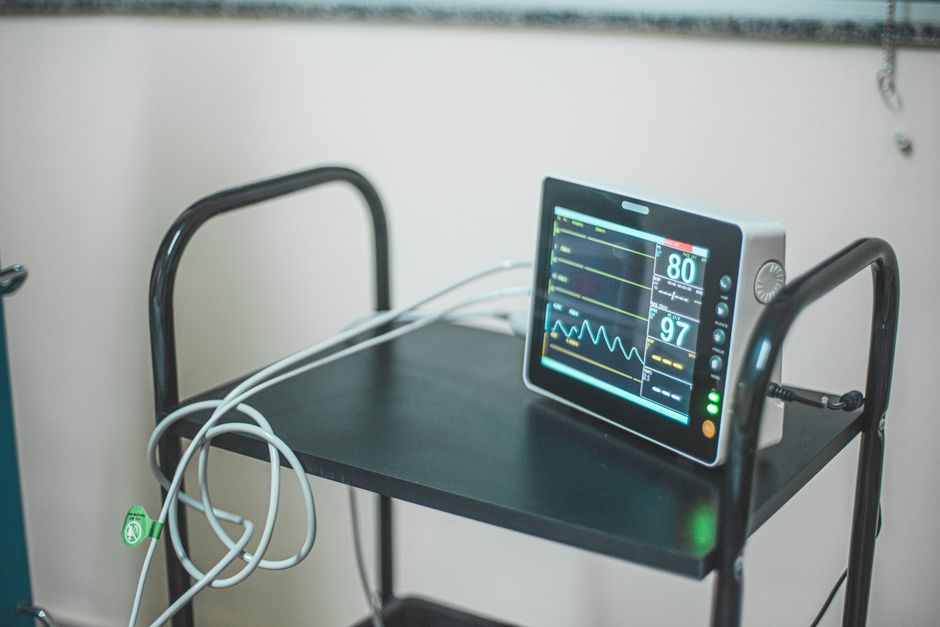
The evolution of Generative AI Patient Care systems represents more than incremental improvement—it signals a paradigm shift in clinical practice. Unlike earlier AI implementations that focused narrowly on image recognition or predictive analytics, generative models can synthesize information across multiple data sources, generate comprehensive treatment plans, and even produce patient-specific educational materials in natural language. Organizations like Mayo Clinic and Cleveland Clinic are already investing heavily in next-generation platforms that leverage large language models for everything from automated clinical documentation to patient-reported outcomes analysis. As we look toward 2031, five major trends will define how Generative AI Patient Care reshapes the industry.
Trend 1: Autonomous Clinical Documentation and Ambient Intelligence
By 2028, ambient clinical intelligence systems powered by generative AI will become standard in most patient encounters. These systems continuously listen to patient-clinician conversations, automatically generating comprehensive clinical notes, updating the EHR in real-time, and flagging potential diagnostic considerations without requiring direct physician input. This addresses one of healthcare's most pressing pain points: staff burnout driven by excessive administrative documentation burden.
Current ambient documentation tools represent only the first generation of this technology. The next wave will integrate directly with clinical pathways and population health analytics platforms, automatically identifying patients who may benefit from specific interventions based on conversational cues. For instance, when a patient mentions difficulty affording medications during a routine visit, the system will automatically flag the case for pharmacy intervention and generate prior authorization documentation—all without the clinician needing to remember to initiate these workflows manually.
Mount Sinai Health System and similar organizations are pioneering implementations that go beyond simple transcription. Their Generative AI Patient Care platforms analyze the semantic content of clinical encounters to suggest evidence-based treatment modifications, identify care gaps against quality metrics, and even generate personalized patient education materials tailored to individual health literacy levels. By 2030, we anticipate that over 75% of clinical documentation will be generated autonomously, freeing clinicians to focus on the therapeutic relationship rather than data entry.
Trend 2: Predictive Care Coordination and Proactive Intervention
Care coordination has traditionally been reactive—interventions occur after problems emerge rather than before. Generative AI is fundamentally changing this dynamic by enabling truly predictive care coordination workflows. Advanced models trained on longitudinal patient data can identify subtle patterns indicating increased risk of hospital readmission, medication non-adherence, or clinical decompensation days or weeks before traditional alert systems would flag these issues.
The future of Clinical Decision Support AI lies not in alerting clinicians to problems they already recognize, but in surfacing insights that would otherwise remain hidden in vast datasets. Organizations implementing AI solution development platforms are building systems that continuously monitor patient data streams—including EHR data, wearable device telemetry, patient portal interactions, and even social determinants of health information—to generate risk scores and intervention recommendations in real-time.
By 2029, we expect care coordination teams to operate primarily from AI-generated worklists that prioritize patients based on predicted outcomes rather than static risk stratification rules. These systems will automatically draft outreach communications, schedule follow-up appointments, coordinate referrals across specialists, and generate treatment plan modifications for clinician review. The role of care coordinators will evolve from manual case finding and administrative task execution to high-value relationship management and complex problem-solving for cases the AI identifies as requiring human judgment.
Trend 3: Hyper-Personalized Treatment Plans and Precision Medicine at Scale
Personalized medicine has long promised to tailor treatments to individual patient characteristics, but implementation has been limited by the complexity of integrating genomic, clinical, environmental, and social data into actionable treatment plans. Generative AI Patient Care platforms will make precision medicine operationally feasible at population scale by automatically synthesizing these diverse data sources into comprehensive, evidence-based treatment recommendations.
Future systems will generate detailed treatment plans that account not only for clinical factors like comorbidities and medication interactions, but also for patient preferences, cultural considerations, financial constraints, and social support structures. When a patient is diagnosed with a chronic condition, the AI will produce multiple treatment pathway options, each with predicted outcomes based on similar patient cohorts, estimated costs, and personalized adherence probability assessments.
This level of personalization extends to patient engagement strategies as well. AI Patient Engagement platforms will automatically generate communications in the patient's preferred language, at appropriate health literacy levels, through their preferred channels, and timed based on behavioral patterns that maximize engagement probability. Rather than sending generic medication reminders to all patients, the system might generate a personalized video explanation for one patient, a text message with visual instructions for another, and a phone call from a care coordinator for a third—all based on what the AI predicts will be most effective for each individual.
Integration with Genomic and Molecular Data
By 2030, the integration of genomic sequencing data into routine clinical workflows will accelerate dramatically as sequencing costs continue to fall and generative AI systems become capable of translating complex genomic information into clinically actionable insights. Physicians without specialized genetics training will be able to leverage AI-generated interpretations that explain how specific genetic variants influence drug metabolism, disease progression, and treatment response—all presented in clear clinical language with specific dosing or treatment recommendations.
The combination of pharmacogenomics and AI-driven clinical decision support represents a particularly promising application. Generative models can analyze a patient's genetic profile alongside their medication list, automatically flagging potentially problematic drug-gene interactions and suggesting alternative medications with better predicted efficacy and safety profiles for that specific individual. This capability addresses both the personalized medicine challenge and helps reduce adverse drug events, a significant driver of healthcare costs and poor outcomes.
Trend 4: Multimodal Diagnostic Support and Synthetic Medical Reasoning
The next generation of CDSS will move beyond analyzing single data types to synthesizing insights across multiple modalities simultaneously—medical imaging, laboratory results, clinical notes, patient-reported outcomes, vital signs, and even voice biomarkers or gait analysis from wearable devices. These multimodal Generative AI Patient Care systems will more closely mirror how expert clinicians think, considering the complete clinical picture rather than isolated findings.
By 2029, expect to see diagnostic support systems that can generate differential diagnoses with probabilistic rankings based on the complete available evidence, along with natural language explanations of the reasoning process. These systems will identify which additional tests or information would most effectively narrow the diagnostic possibilities, helping clinicians order targeted workups rather than shotgun approaches. When imaging studies are performed, the AI won't simply flag abnormalities—it will generate integrated reports that correlate imaging findings with laboratory data, symptom progression, and relevant past medical history to suggest unified diagnostic interpretations.
Perhaps most significantly, these systems will excel at identifying rare or complex presentations that individual clinicians may encounter too infrequently to recognize immediately. By training on vast datasets encompassing millions of patient cases, generative models develop pattern recognition capabilities that complement rather than replace clinical expertise. The AI becomes a cognitive partner that brings the collective experience of the entire medical literature and case database to every patient encounter.
Trend 5: Autonomous Telehealth and Virtual Care Expansion
Telehealth adoption surged during the COVID-19 pandemic but often simply replicated in-person visit structures in a virtual format. The future of telemedicine will be fundamentally different, powered by autonomous AI agents capable of conducting initial assessments, triage, and even managing routine follow-ups with minimal human clinician involvement for appropriate cases.
Care Coordination AI systems will manage entire patient journeys across virtual and in-person touchpoints. A patient experiencing new symptoms might first interact with an AI-powered conversational agent that conducts a detailed symptom assessment, reviews relevant medical history, and determines appropriate next steps—which might include self-care guidance, scheduling with a human clinician, directing to urgent care, or even dispatching emergency services for critical presentations.
For patients with chronic conditions requiring regular monitoring, AI agents will conduct periodic check-ins via patients' preferred communication channels, assess telemonitoring data from connected devices, adjust treatment plans within pre-approved protocols, and escalate to human clinicians only when parameters exceed defined thresholds or when complex decision-making is required. This approach dramatically expands access to consistent monitoring and support while allowing human clinicians to focus their time on the highest-acuity and most complex cases.
Integration with Remote Patient Monitoring
The convergence of generative AI with remote patient monitoring devices will enable continuous, intelligent surveillance of high-risk populations. Rather than simply collecting data streams and alerting on threshold violations, future systems will analyze patterns across multiple physiologic parameters to detect subtle deterioration trends. The AI will generate personalized intervention recommendations—perhaps suggesting a medication adjustment, lifestyle modification, or scheduling an earlier follow-up visit—and automatically communicate these recommendations to both patients and care teams.
Organizations implementing these technologies report significant reductions in hospital readmissions and emergency department utilization among monitored populations. As reimbursement models increasingly reward outcomes rather than volume, the business case for AI-enabled remote monitoring becomes compelling. By 2031, we anticipate that most patients with chronic conditions will be enrolled in some form of AI-supported remote monitoring program as standard care.
Implementation Considerations and Workforce Transformation
These trends present both enormous opportunities and significant implementation challenges. Healthcare organizations must address technical infrastructure requirements, including robust Health Information Exchange capabilities to aggregate data across fragmented systems, cloud computing resources to support computationally intensive AI models, and cybersecurity frameworks to protect increasingly centralized patient data.
Equally important is workforce transformation. Clinical staff will need training not in how to operate AI systems—which should be designed for intuitive use—but in how to effectively collaborate with AI tools, interpret their outputs critically, and know when to override recommendations based on contextual factors the AI may not capture. New roles will emerge, including AI-clinician liaisons who help translate between technical capabilities and clinical needs, and AI safety officers who monitor for potential harms including algorithmic bias and inappropriate autonomy.
Regulatory frameworks will need to evolve as well. Current FDA pathways for medical device clearance were designed for static algorithms, not continuously learning systems that improve over time. As Generative AI Patient Care platforms become more autonomous, questions around liability, transparency, and appropriate human oversight will require new regulatory approaches developed in collaboration between healthcare organizations, technology developers, and regulators.
Conclusion
The trajectory of Generative AI Patient Care over the next three to five years points toward a healthcare system that is more proactive, personalized, and efficient than today's reactive, population-averaged approaches. Ambient clinical intelligence will liberate clinicians from documentation burden, predictive care coordination will identify and address problems before they escalate, hyper-personalized treatment plans will optimize outcomes for individual patients, multimodal diagnostic support will enhance clinical reasoning, and autonomous telehealth will expand access while managing routine care at scale. Organizations that strategically invest in Healthcare AI Solutions today will be positioned to lead in tomorrow's value-based care environment, delivering superior outcomes at lower costs while creating more satisfying work environments for clinical staff. The question for healthcare leaders is no longer whether to adopt these technologies, but how quickly they can implement them effectively and responsibly to benefit the patients and communities they serve.


Comments
Post a Comment