Intelligent Automation in Manufacturing: 2026-2030 Transformation Forecast
As manufacturing plants worldwide accelerate their digital transformation journeys, the convergence of artificial intelligence, machine learning, and industrial automation is fundamentally reshaping how production floors operate. The next five years promise unprecedented changes in how factories leverage intelligent systems to optimize everything from changeover management to quality control. Industry leaders at companies like Siemens and GE Digital are already piloting technologies that will become mainstream by 2030, creating smart factories that operate with levels of autonomy and efficiency unimaginable just a decade ago.
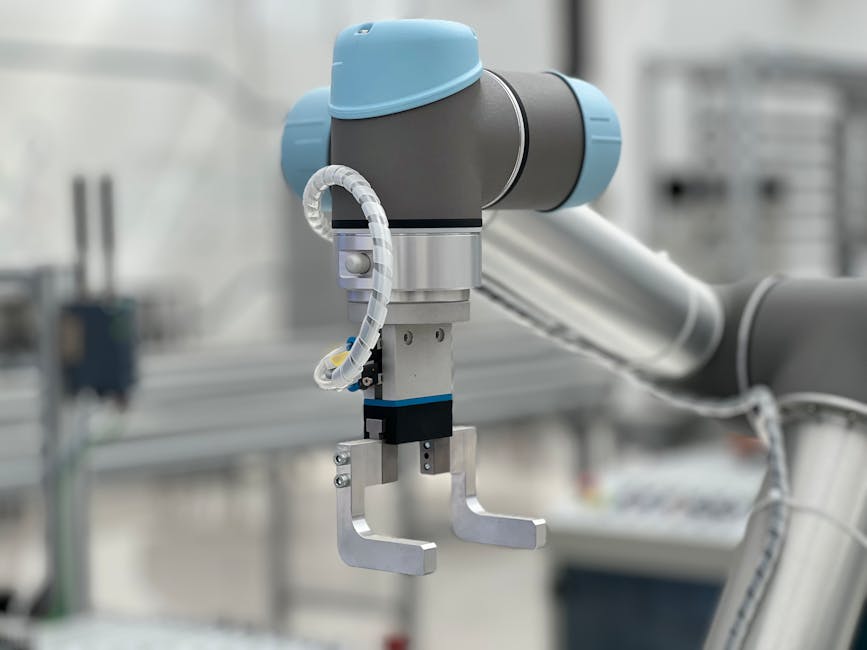
The evolution of Intelligent Automation in manufacturing represents more than incremental improvement—it signals a fundamental shift in how production systems think, learn, and adapt. Unlike traditional programmable logic controllers that execute predetermined sequences, intelligent automation platforms continuously analyze operational data, predict equipment failures before they occur, and autonomously adjust production parameters to maintain optimal OEE. This capability transforms manufacturing execution systems from reactive tools into proactive orchestrators that anticipate challenges and implement solutions without human intervention.
The Rise of Autonomous Manufacturing Ecosystems by 2028
Within the next two to three years, we will witness the emergence of truly autonomous manufacturing cells that require minimal human oversight for routine operations. These systems will integrate advanced computer vision, collaborative robotics, and real-time analytics to manage complete production workflows independently. The shift goes beyond simple task automation—intelligent automation will enable entire production lines to self-optimize based on demand fluctuations, material availability, and energy costs.
Predictive Maintenance will evolve from scheduled interventions to continuous, AI-driven health monitoring that prevents failures before they impact production. Sensors embedded throughout machinery will feed data into machine learning models that recognize subtle vibration patterns, temperature variations, and performance degradations invisible to human operators. When MTBF calculations indicate potential issues, the system will automatically schedule maintenance during planned downtime, order replacement parts, and even guide technicians through repair procedures using augmented reality interfaces.
The integration of digital twin technology will become standard practice across manufacturing operations. Every physical asset—from individual CNC machines to entire assembly lines—will have a virtual counterpart that simulates performance under various conditions. Engineers will test process changes, evaluate new product designs, and optimize resource allocation in the digital realm before implementing changes on the factory floor. This approach dramatically reduces the risk associated with ECO implementations and accelerates product lifecycle management cycles.
IIoT Integration and Edge Computing Convergence
The Industrial Internet of Things will mature beyond simple connectivity to become the nervous system of intelligent manufacturing operations. By 2029, experts project that the average smart factory will have over 50,000 connected sensors generating terabytes of operational data daily. However, the breakthrough will not come from data volume alone but from how intelligently that data is processed and acted upon at the edge.
Edge computing architectures will enable real-time decision-making directly on the factory floor, eliminating the latency associated with cloud-based processing. When a quality control camera detects a defect, intelligent automation systems will instantly adjust upstream process parameters, reroute the affected product, and alert relevant personnel—all within milliseconds. This level of responsiveness is impossible with centralized computing models and represents a critical enabler for agile manufacturing practices.
The convergence of IIoT Integration with 5G private networks will unlock new possibilities for mobile robotics and dynamic production reconfiguration. Autonomous guided vehicles will navigate factory floors with precision, adapting routes in real-time based on production priorities and congestion patterns. Production cells will reconfigure themselves to accommodate different product variants without lengthy changeover procedures, dramatically improving throughput and flexibility.
Intelligent Automation Platforms and Ecosystem Development
The technology landscape will consolidate around comprehensive platforms that unify previously siloed systems. Rather than managing separate solutions for MES, SCADA, quality management, and workforce optimization, manufacturers will deploy integrated intelligent automation platforms that orchestrate all aspects of production. These platforms will feature open architectures that facilitate seamless integration with legacy systems, addressing one of the industry's most persistent pain points.
Companies seeking to implement these advanced capabilities will increasingly turn to specialized providers who understand both the technical requirements and the operational realities of manufacturing environments. Organizations developing custom AI solutions specifically for industrial applications will play a crucial role in bridging the gap between cutting-edge technology and practical manufacturing needs. The most successful implementations will balance standardized platform capabilities with customization that addresses unique process requirements and existing infrastructure.
Interoperability standards will finally mature, enabling plug-and-play integration of equipment from different vendors. The current challenge of connecting Rockwell Automation PLCs with Siemens drives and ABB robotics through proprietary protocols will give way to standardized communication frameworks. This interoperability will accelerate intelligent automation adoption by reducing integration complexity and costs, making advanced capabilities accessible to mid-sized manufacturers who previously found such projects prohibitively expensive.
Sustainability and Energy Optimization Through Intelligent Systems
Environmental regulations and corporate sustainability commitments will drive intelligent automation adoption in unexpected ways. By 2030, energy optimization will be embedded into every production decision, with systems automatically adjusting processes to minimize kWh consumption while maintaining quality standards. Machine learning algorithms will identify the most energy-efficient production schedules, balance loads across equipment to reduce peak demand charges, and even negotiate with utility companies to shift energy-intensive operations to periods of renewable energy availability.
Smart Factory Systems will incorporate circular economy principles directly into production planning. When selecting materials and process parameters, intelligent automation platforms will consider not just immediate production costs but also end-of-life recyclability, carbon footprint, and regulatory compliance. This holistic optimization represents a fundamental shift from single-objective cost minimization to multi-objective value maximization that accounts for environmental and social factors.
Water usage, waste generation, and emissions will be monitored and optimized with the same rigor currently applied to production efficiency metrics. Intelligent systems will identify opportunities to reuse process water, reduce scrap rates through tighter process control, and minimize volatile organic compound emissions. These capabilities will help manufacturers meet increasingly stringent environmental regulations while simultaneously reducing operational costs.
Workforce Transformation and Human-Machine Collaboration
The adoption of Intelligent Automation will fundamentally redefine manufacturing roles rather than simply eliminating them. The concern about job displacement will give way to reality: intelligent systems create demand for new skills while automating routine tasks. By 2028, successful manufacturers will have evolved their workforce development programs to emphasize human-machine collaboration, data literacy, and continuous learning.
Operators will transition from manual machine tenders to orchestrators who manage multiple intelligent systems simultaneously. Augmented reality interfaces will overlay real-time process data, quality metrics, and optimization recommendations directly in the operator's field of view. When systems encounter situations outside their autonomous decision-making parameters, they will seamlessly escalate to human operators who provide judgment calls that machines cannot yet replicate.
The skills gap that currently challenges manufacturing will begin to close as intelligent systems incorporate knowledge capture and transfer capabilities. When experienced technicians diagnose complex issues, the system will learn from their decision-making process and incorporate that expertise into its knowledge base. This institutional knowledge preservation will help manufacturers manage the retirement of baby-boom-generation workers who possess decades of tacit process knowledge.
Supply Chain Integration and End-to-End Visibility
Intelligent Automation will extend beyond factory walls to encompass entire supply chains. By 2029, manufacturers will achieve true end-to-end visibility from raw material suppliers through production and logistics to final customer delivery. Machine learning algorithms will predict supply disruptions before they occur, automatically source alternative materials, and adjust production schedules to maintain delivery commitments despite volatility.
The BOM will evolve from a static document to a dynamic data structure that reflects real-time material availability, supplier performance, and cost fluctuations. When component shortages threaten production, intelligent systems will evaluate alternative designs, substitute materials, and expedited shipping options, presenting optimal recommendations that balance cost, quality, and timeline considerations. This agility will prove essential in an increasingly unpredictable global supply environment.
Inventory management will shift from periodic cycle counts and safety stock buffering to continuous tracking and just-in-time precision. RFID tags and computer vision systems will maintain perfect inventory accuracy, while machine learning models optimize stock levels based on demand forecasts, supplier lead times, and production schedules. The working capital currently tied up in excess inventory will be released for more productive investments.
Cybersecurity and Resilience in Intelligent Manufacturing
As manufacturing systems become more connected and intelligent, cybersecurity will evolve from an IT concern to an operational imperative. The next five years will see the development of AI-powered security systems that monitor network traffic, detect anomalous behavior, and respond to threats in real-time. Unlike traditional perimeter-based security, these intelligent systems will assume breach and continuously verify the integrity of operational data and control commands.
Zero-trust architectures will become standard in manufacturing environments, with every device, user, and data transaction requiring authentication and authorization. Intelligent automation platforms will incorporate security by design, with encryption, access controls, and audit trails built into core functionality rather than added as afterthoughts. This approach will help manufacturers protect intellectual property, maintain production continuity, and comply with increasingly stringent data protection regulations.
Conclusion: Preparing for the Intelligent Manufacturing Future
The transformation ahead represents both tremendous opportunity and significant challenge for manufacturing organizations. Companies that begin their intelligent automation journeys now—starting with pilot projects in predictive maintenance or quality control—will be positioned to capitalize on the full potential of these technologies as they mature. The key is to view this not as a one-time implementation but as a continuous evolution that requires sustained investment in technology, processes, and people.
Success will require partnerships with technology providers who understand the unique demands of industrial environments and can deliver solutions that integrate seamlessly with existing infrastructure. Organizations exploring comprehensive Manufacturing AI Solutions should prioritize platforms that offer both immediate operational benefits and the flexibility to incorporate emerging capabilities as they become available. The manufacturers who thrive in 2030 will be those who start building their intelligent automation foundations today, creating the agile, efficient, and sustainable operations that the future demands.


Comments
Post a Comment