Generative AI in Procurement: A Comprehensive Beginner's Guide
Corporate procurement teams today face mounting pressure to reduce costs, mitigate supply chain risks, and eliminate maverick spending while maintaining agility in supplier relationships. Traditional procurement systems—while powerful for structured workflows—often struggle to extract insights from unstructured data, respond to complex supplier queries, or generate strategic sourcing recommendations at scale. Enter generative AI: a technology that promises to fundamentally reshape how procurement professionals approach everything from spend analysis to contract negotiation. For teams just beginning to explore this frontier, understanding what generative AI can realistically deliver versus the hype is critical to building a successful implementation roadmap.
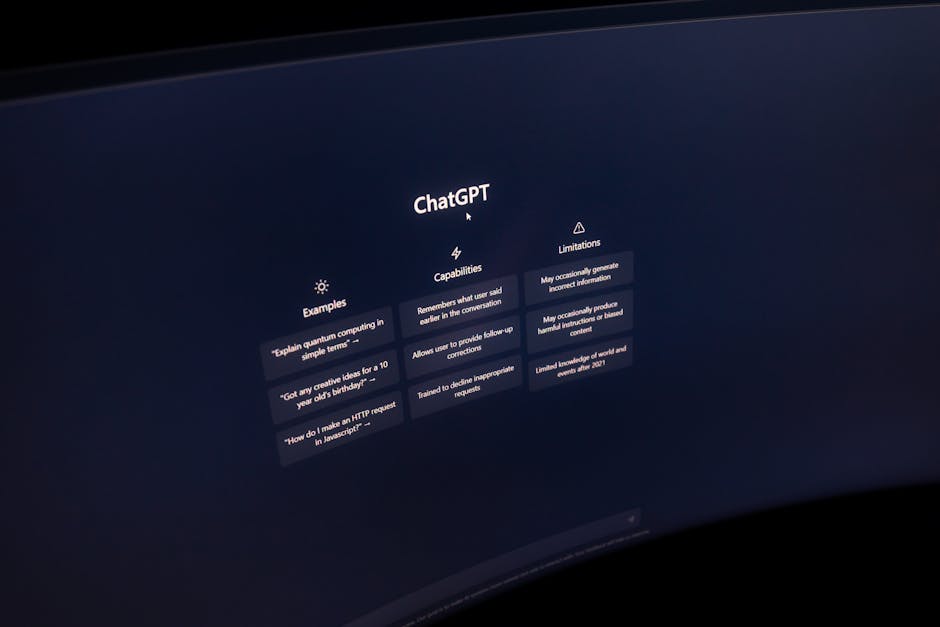
The emergence of Generative AI in Procurement represents more than just another software upgrade—it signals a paradigm shift in how procurement functions leverage data, automate decision-making, and interact with both suppliers and internal stakeholders. Unlike rules-based automation that simply digitizes existing processes, generative AI models can synthesize information across disparate sources, draft original contract language tailored to specific contexts, and even predict supplier performance trends based on historical patterns and external market signals. For procurement leaders at organizations similar to SAP or IBM's enterprise procurement divisions, this technology offers a pathway to transform reactive purchasing operations into proactive, strategic value centers.
What Is Generative AI and How Does It Differ from Traditional Procurement Technology?
Generative AI refers to machine learning models—particularly large language models and multimodal systems—that can create new content, whether text, code, images, or structured data outputs. In procurement contexts, this means systems that can draft RFP documents from brief requirements, summarize hundreds of supplier contracts to identify risk clauses, generate spend category insights from raw transaction data, or even compose personalized supplier communications at scale. The key distinction from traditional e-Procurement platforms lies in the technology's ability to work with unstructured inputs and produce contextually relevant, original outputs rather than simply executing predefined workflows.
Most legacy procurement systems excel at structured tasks: routing purchase orders through approval hierarchies, enforcing catalog compliance, or triggering alerts when spend thresholds are breached. These are deterministic processes with clear inputs and outputs. Generative AI, by contrast, thrives in ambiguous scenarios where human judgment has traditionally been required. When a category manager needs to understand why a particular supplier's performance index has declined across multiple contracts, a generative system can analyze contract terms, delivery records, quality metrics, and even external news sources to produce a coherent narrative explanation—something a traditional dashboard cannot do.
Core Capabilities That Matter for Procurement Teams
- Natural language processing for contract analysis and clause extraction
- Automated generation of sourcing documentation (RFIs, RFPs, RFQs) from requirement templates
- Intelligent spend classification that adapts to organizational taxonomy changes
- Conversational interfaces for supplier inquiries and internal procurement support
- Predictive analytics enhanced with narrative explanations of forecast drivers
- Dynamic supplier evaluation criteria generation based on category-specific risks
Understanding these capabilities helps procurement teams identify where Generative AI in Procurement can deliver immediate value versus areas where traditional systems remain more appropriate. The goal is not wholesale replacement but strategic augmentation of existing procurement infrastructure.
Why Generative AI Matters: Addressing Real Procurement Pain Points
The business case for generative AI becomes clearest when mapped directly to the persistent challenges procurement organizations face. Consider maverick spending—purchases made outside established contracts and approved supplier lists. Traditional approaches rely on policy enforcement and post-facto spend analysis. Generative AI systems can instead provide real-time, conversational guidance to employees making purchases, explaining why certain suppliers are preferred, what contract terms apply, and how to properly classify the expenditure—all before the transaction occurs. This shift from policing to enablement fundamentally changes the compliance dynamic.
Supplier relationship management presents another area where Procurement Automation AI delivers tangible impact. Maintaining productive relationships with hundreds or thousands of suppliers requires regular communication, performance reviews, and collaborative problem-solving. Generative systems can draft personalized supplier performance reports, identify suppliers at risk of contract non-renewal based on declining metrics, and even suggest negotiation strategies for contract renewals based on market benchmarks and historical precedent. What previously required dedicated relationship managers can now scale across the entire supply base.
Data-Driven Decision Making Without Data Science Expertise
Perhaps the most democratizing aspect of generative AI is its ability to make sophisticated analytics accessible to non-technical procurement professionals. A category manager doesn't need to understand Python or SQL to ask, "Which suppliers in my electronics category showed the greatest Total Cost of Ownership improvement over the past 18 months, and what contract terms correlated with that improvement?" The system can query the necessary databases, perform the analysis, and return results in natural language with supporting visualizations—transforming what would have been a week-long project into a five-minute conversation.
This capability directly addresses the challenge of achieving Spend Under Management growth. When procurement teams can rapidly analyze spending patterns, identify consolidation opportunities, and model the impact of supplier rationalization scenarios without waiting for IT support or external consultants, the pace of strategic procurement initiatives accelerates dramatically. Organizations exploring custom AI development often prioritize these self-service analytics capabilities as foundational use cases.
How to Start: Building Your Generative AI Procurement Roadmap
For teams new to AI implementation, the prospect of introducing generative capabilities can feel overwhelming. The key is starting with clearly scoped pilot projects that demonstrate value while building organizational capabilities. Based on patterns observed across companies like JAGGAER and Coupa customers, successful adoption typically follows a three-phase approach: foundation building, targeted pilots, and scaled deployment.
Phase One: Foundation Building (Months 1-3)
Before deploying any generative AI models, procurement organizations need to assess data readiness, establish governance frameworks, and identify champion use cases. This means conducting a thorough audit of contract repositories, spend databases, and supplier information systems. Generative models require quality training data—incomplete supplier records, inconsistent spend categorization, or fragmented contract storage will limit what the AI can achieve. Many organizations discover that 40-60% of their data cleanup work occurs in this preparatory phase.
Equally important is establishing clear policies around AI-generated content. Who reviews AI-drafted RFP language before it goes to suppliers? What approval process applies to AI-generated supplier performance assessments? How will you handle situations where the AI produces inaccurate recommendations? These governance questions must be answered before pilots begin, not after problems emerge. Leading procurement teams establish cross-functional AI steering committees that include legal, IT, procurement leadership, and end-user representatives.
Phase Two: Targeted Pilots (Months 4-8)
With foundations in place, select 2-3 high-value, low-risk use cases for initial pilots. Strong candidates include contract summarization (taking existing executed contracts and generating executive summaries), spend analysis query assistance (allowing analysts to ask questions about spending patterns in natural language), and supplier communication drafting (generating routine supplier correspondence). These applications deliver measurable value without touching critical procurement execution paths.
During pilots, measure both quantitative metrics (time saved, number of contracts processed, query response accuracy) and qualitative feedback (user satisfaction, trust in AI outputs, willingness to expand usage). Expect an initial learning curve—procurement professionals need time to understand what questions the AI handles well versus where it struggles. Build feedback loops where users can flag incorrect outputs, as this data becomes crucial for model refinement. Most successful pilots involve 10-20 active users over 3-4 months, generating enough interaction data to assess viability.
Phase Three: Scaled Deployment (Months 9-18)
Scaling from pilots to enterprise deployment requires infrastructure investment and change management discipline. This phase typically involves integrating generative capabilities with existing e-Procurement platforms (many vendors now offer API integrations or embedded AI features), training broader user populations, and establishing ongoing model monitoring processes. The integration with systems like SAP Ariba or Coupa platforms ensures AI-generated insights flow into operational workflows rather than existing as standalone tools.
Change management cannot be underestimated. Procurement professionals may fear AI will replace their roles or distrust machine-generated recommendations. Successful rollouts emphasize augmentation over automation—showing how Intelligent Spend Management systems handle routine analytical tasks so category managers can focus on strategic supplier negotiations and cross-functional collaboration. Regular training sessions, visible executive sponsorship, and celebrating early wins help build organizational confidence.
Key Considerations and Common Pitfalls to Avoid
As procurement teams embark on generative AI journeys, several common mistakes can derail otherwise promising initiatives. First, avoid the temptation to boil the ocean. Organizations that attempt to simultaneously transform contract management, sourcing, and supplier management with AI typically struggle to maintain focus and measure results. Sequential, use-case-driven rollouts—even if slower—produce more sustainable outcomes than big-bang transformations.
Second, don't underestimate data quality requirements. Generative AI models amplify existing data problems rather than solving them. If your contract repository contains duplicate agreements, missing renewal dates, or inconsistent clause tagging, AI outputs will reflect those deficiencies. Many procurement leaders report that their AI projects delivered unexpected value simply by forcing long-overdue data governance improvements that benefit all systems, not just AI applications.
Third, maintain realistic expectations about accuracy and hallucination risks. Generative models occasionally produce plausible-sounding but factually incorrect outputs—a phenomenon known as hallucination. In procurement contexts, an AI might cite a contract clause that doesn't exist or recommend a supplier based on invented performance metrics. This risk necessitates human review workflows, especially for high-stakes decisions like sole-source justifications or contract award recommendations. Systems should be designed with verification steps rather than fully autonomous operation.
Vendor Selection and Build-Versus-Buy Decisions
Procurement teams face choices between procuring AI-enabled platforms from established vendors, implementing best-of-breed point solutions, or building custom capabilities on foundation models. Each approach has merits. Platform vendors like Coupa and JAGGAER increasingly embed generative features into their suites, offering seamless integration but potentially limiting customization. Point solutions provide specialized depth—contract AI tools focused exclusively on legal language analysis, for example—but require integration work. Custom development offers maximum flexibility but demands ongoing ML engineering resources.
Most organizations adopt hybrid strategies: leveraging platform vendor capabilities where available, supplementing with point solutions for specialized needs, and reserving custom development for truly unique requirements. The key is ensuring interoperability—AI tools must exchange data with your core procurement systems to deliver value. During vendor evaluation, prioritize demonstrations with your actual data rather than sanitized demos, and request case studies from organizations with similar procurement maturity levels and industry contexts.
Measuring Success: Metrics That Matter
Defining success metrics before implementation begins ensures teams can objectively assess whether generative AI delivers on its promise. For early-stage pilots, focus on efficiency metrics: time required to draft RFP documents, hours spent on contract review, volume of spend analysis queries answered without analyst involvement. These operational indicators demonstrate immediate productivity gains and help calculate ROI.
As implementations mature, shift toward strategic metrics aligned with broader procurement objectives. Is AI-supported sourcing reducing Total Cost of Ownership beyond initial purchase price? Are AI-generated supplier risk alerts correlating with actual performance issues? Is the percentage of Spend Under Management increasing as buyers gain better visibility through conversational analytics? These outcomes matter more than raw automation statistics.
Don't neglect user adoption metrics. Technology that sits unused delivers no value. Track active users, query volumes, feature utilization rates, and user satisfaction scores. Low adoption often signals poor user experience, inadequate training, or mismatch between AI capabilities and actual workflow needs. Regular user feedback sessions help identify friction points before they calcify into resistance.
Conclusion: Taking the First Step Toward AI-Enabled Procurement
Generative AI in Procurement is no longer an experimental technology confined to innovation labs—it's becoming table stakes for competitive procurement organizations. The companies successfully implementing these capabilities share common characteristics: they start with clear business problems rather than technology fascination, they invest in data foundations before model deployment, they adopt iterative pilot-to-scale approaches, and they maintain realistic expectations about what AI can and cannot accomplish. For procurement leaders feeling pressure to demonstrate innovation while managing risk, generative AI offers a path forward when implemented thoughtfully.
The journey from procurement technology curious to AI-enabled organization requires commitment, but the destination—procurement functions that operate with unprecedented efficiency, insight, and strategic impact—justifies the investment. Whether your organization is just beginning to explore possibilities or ready to scale initial pilots, focusing on real procurement pain points, maintaining rigorous data governance, and prioritizing user adoption will separate successful implementations from stalled initiatives. As you build your roadmap, consider how comprehensive AI Procurement Solutions can accelerate your transformation while avoiding common pitfalls that derail less structured approaches.


Comments
Post a Comment