Debunking 5 Myths About Intelligent Automation in Grievance Handling
As intelligent automation increasingly becomes a focal point in banking services, especially in grievance handling, a number of misconceptions can cloud its implementation. In this article, we will debunk five prevalent myths surrounding Intelligent Automation in Grievance Handling and provide clarity on how this technology genuinely enhances customer service management and complaint resolution.
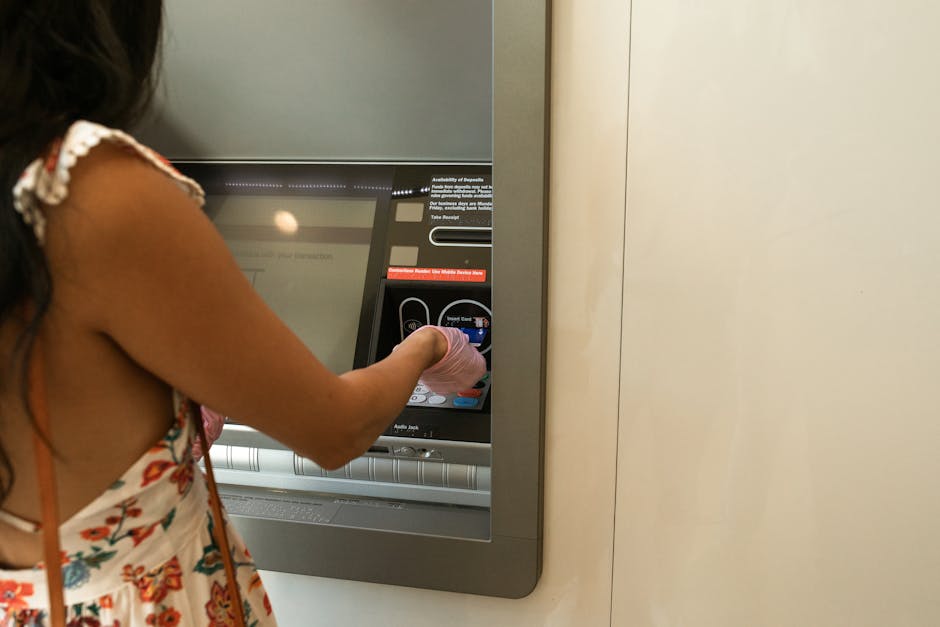
In the face of evolving industry requirements, banks like Chase and Citibank have adopted automated systems to improve efficiency. However, outdated beliefs may hinder the adoption of intelligent automation solutions. The intention of this article is to clarify misconceptions and align expectations as institutions look to implement Intelligent Automation in Grievance Handling.
Myth 1: Intelligent Automation Replaces Human Interaction
A common misconception is that intelligent automation will replace customer support agents, leading to fewer job opportunities. In reality, automation systems are designed to handle repetitive queries, freeing human agents to focus on more complex issues. By creating a synergy between automation and human expertise, banks can enhance customer service without reducing workforce numbers.
Myth 2: Automation Guarantees Instantaneous Resolutions
While intelligent automation can significantly speed up resolution times, it does not guarantee that every complaint will be resolved instantly. Complex issues may still require human intervention, particularly when unique customer circumstances are involved. However, automation facilitates faster triage processes and ensures quicker access to relevant information, ultimately reducing overall resolution times.
Myth 3: Automated Complaints Are Impersonal
Many believe that automated systems lack the personal touch necessary for effective customer interactions. Modern intelligent automation tools often incorporate AI-driven sentiment analysis that can assess customer emotions and tailor responses accordingly. By analyzing customer emotions, banks can create personalized experiences tailored to the specific context of the complaint.
Myth 4: Implementation is Too Complicated
Some banks fear that integrating intelligent automation into existing systems will be overly complicated. While initial setup might require dedicated efforts and resources, the long-term benefits of optimized complaint management justify the investment. Additionally, many third-party vendors are available to streamline the integration process with tailored AI solutions that fit banks’ specific needs.
Myth 5: It’s Only for Large Banks
Many smaller banks and credit unions are deterred from adopting intelligent automation, thinking it’s exclusively for larger institutions. However, scalable intelligent automation solutions are available that can suit organizations of all sizes. With the right approach, even smaller banks can leverage technology to enhance their grievance handling and improve overall performance.
Conclusion
As the landscape of customer service continues to shift, banks must confront and debunk myths surrounding AI Complaint Management Solutions. The adoption of intelligent automation in grievance handling not only transforms customer interactions but also elevates the entire banking experience.


Comments
Post a Comment