AI Inventory Management: Future Trends Reshaping Retail by 2031
The retail landscape is experiencing a fundamental shift in how inventory is managed, forecasted, and optimized. As someone who has spent years working with inventory turnover analysis and demand planning systems, I've witnessed firsthand how AI Inventory Management is moving from experimental deployment to mission-critical infrastructure. The next three to five years will bring transformations that fundamentally alter how we approach stock replenishment, vendor collaboration, and warehouse management across retail operations.
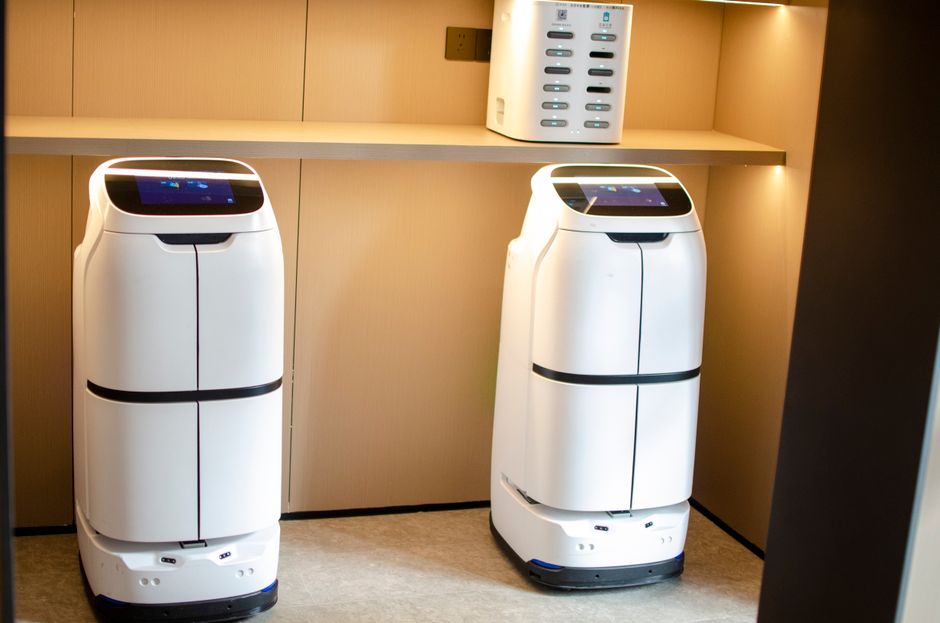
What we're seeing today represents just the beginning of what AI Inventory Management will accomplish by 2031. Major retailers like Walmart and Amazon have already demonstrated the viability of AI-driven supply chain visibility, but the sophisticated capabilities emerging over the next few years will make current systems look rudimentary by comparison. The convergence of advanced machine learning, real-time data integration, and autonomous decision-making will redefine what's possible in inventory accuracy and fill rate optimization.
Autonomous Inventory Orchestration: The End of Manual Intervention
By 2028, we'll see widespread adoption of fully autonomous inventory orchestration systems that manage the entire cycle from purchase order management through stock replenishment without human intervention for routine decisions. These AI Inventory Management platforms will monitor thousands of SKUs simultaneously, adjusting safety stock levels based on real-time demand signals, supplier lead time variations, and even predictive factors like weather patterns or social media trends.
The key difference from today's semi-automated systems lies in the decision-making authority. Current implementations of Inventory Forecasting AI require human approval for significant changes to economic order quantity calculations or vendor allocation. Within three years, advanced systems will autonomously execute these decisions, reserving human oversight only for strategic exceptions or policy-level changes. Home Depot and Target are already piloting versions of this approach in select distribution centers, with results showing 23-31% improvements in inventory turnover rates.
Predictive SKU Rationalization
One of the most transformative trends will be AI-driven SKU rationalization that happens continuously rather than as an annual exercise. Machine learning models will identify underperforming stock-keeping units in real-time, automatically triggering clearance protocols while simultaneously recommending replacement products based on emerging consumer preferences. This dynamic approach to assortment optimization will reduce carrying costs while maintaining or improving fill rates.
Hyper-Localized Demand Planning at Scale
The next evolution in AI Inventory Management will move beyond regional demand planning to hyper-localized forecasting at the individual store or even aisle level. By 2029, retailers will deploy Demand Planning AI systems that account for micro-market conditions, incorporating factors like local demographics, competitive store openings, construction projects affecting traffic patterns, and community events.
Zara has demonstrated the power of localized inventory allocation through its agile supply chain model, but emerging AI systems will take this concept orders of magnitude further. Advanced AI solution development platforms are enabling retailers to build predictive models that incorporate hundreds of variables per location, updating forecasts multiple times per day based on actual sales velocity and external signals.
Real-Time Inventory Repositioning
Connected to hyper-localized demand planning, we'll see the rise of real-time inventory repositioning networks. AI systems will continuously calculate optimal inventory distribution across a retail network, automatically initiating store-to-store transfers or redirecting in-transit shipments to locations with higher predicted demand. This capability will dramatically reduce both overstock and understock situations while minimizing the need for emergency expedited shipping.
- Dynamic transfer protocols that move inventory between stores based on predicted demand shifts within 24-48 hour windows
- AI-optimized dark store networks that serve as flexible fulfillment nodes for both e-commerce and physical retail
- Predictive allocation models that position inventory before demand materializes, reducing fulfillment lead time to hours rather than days
Supplier Integration and Collaborative Intelligence
By 2030, the boundary between retailer and supplier inventory systems will become increasingly permeable through collaborative AI platforms. Rather than traditional vendor collaboration based on periodic data sharing, we'll see continuous bi-directional intelligence flows where suppliers gain real-time visibility into retailer inventory levels and sales velocity while retailers access supplier production schedules and material availability.
This level of Supply Chain Visibility will enable true just-in-time inventory management at scale, something that has been aspirational for most retailers outside of specific categories. AI systems on both sides of the relationship will negotiate optimal order quantities, delivery schedules, and pricing dynamically based on mutual benefit algorithms. Walmart's supplier portal initiatives hint at this direction, but the fully realized version will involve far more autonomous negotiation and adjustment.
Risk-Aware Supply Networks
Future AI Inventory Management systems will incorporate sophisticated risk modeling that goes beyond simple safety stock calculations. These platforms will monitor geopolitical developments, climate patterns, supplier financial health, transportation network disruptions, and dozens of other risk factors to proactively adjust sourcing strategies and inventory positioning. When a supplier shows early warning signs of financial distress or a shipping route faces emerging disruption risks, the system will automatically diversify orders and build appropriate buffer stock before problems materialize.
Circular Inventory Management and Returns Optimization
An emerging trend that will gain significant momentum by 2029 is AI-driven circular inventory management, particularly in returns management and product lifecycle optimization. Current returns processes are largely reactive and costly, but AI systems will transform this into a profit-protecting capability through predictive returns modeling and intelligent disposition decisions.
Advanced AI Inventory Management platforms will predict return likelihood at the point of sale, adjusting inventory forecasts accordingly and pre-positioning returned items for optimal disposition whether that's return to stock, refurbishment, liquidation, or recycling. These systems will also identify patterns that indicate product quality issues or listing inaccuracies that drive unnecessary returns, feeding insights back to merchandising and supplier teams.
Sustainable Inventory Practices
Sustainability considerations will become deeply integrated into inventory optimization algorithms by 2031. AI systems will balance traditional metrics like inventory turnover and carrying costs with carbon footprint calculations, waste reduction targets, and circular economy principles. Retailers will use these capabilities to minimize overstocking of perishable goods, optimize transportation modes for environmental impact, and extend product lifecycles through intelligent refurbishment and resale programs.
The Integration of Physical and Digital Inventory
As retail continues its omnichannel evolution, AI Inventory Management will need to seamlessly orchestrate physical and digital inventory as a unified pool. By 2030, the distinction between warehouse stock, store inventory, and dropship arrangements will become largely invisible to customers, with AI systems making real-time decisions about optimal fulfillment sources based on cost, speed, and customer value.
This unified inventory approach will extend to emerging channels like social commerce, live shopping, and virtual retail experiences. AI systems will allocate inventory across these channels dynamically, learning which products perform best in which contexts and adjusting availability accordingly. Amazon's inventory positioning strategies across its various fulfillment networks provide a glimpse of this capability, but the next generation will operate with far greater sophistication and across more diverse channel types.
Workforce Augmentation and Skill Evolution
The human workforce won't be replaced by these AI advances, but roles will evolve significantly. By 2029, inventory managers will function more as strategic orchestrators and exception handlers rather than day-to-day decision makers. Cycle counting will be largely automated through computer vision and RFID technologies, while purchase order management becomes a collaborative activity between humans setting policy parameters and AI systems executing within those guidelines.
This shift will require different skills across inventory management teams. Understanding AI model behavior, interpreting algorithmic recommendations, setting appropriate constraints and objectives, and managing human-AI collaboration will become core competencies. Retailers are already beginning to invest in training programs that prepare their teams for these evolving responsibilities.
Conclusion
The trajectory of AI Inventory Management over the next three to five years points toward increasingly autonomous, predictive, and integrated systems that fundamentally change how retailers approach inventory optimization. From hyper-localized demand planning to collaborative supplier intelligence and circular inventory practices, these emerging capabilities will enable retailers to simultaneously reduce costs, improve service levels, and operate more sustainably. The retailers who invest now in building the data infrastructure, algorithmic capabilities, and organizational readiness for these trends will establish significant competitive advantages. As these systems mature, the strategic importance of AI Agent Development becomes even more critical, as the ability to deploy specialized AI agents for specific inventory challenges will differentiate leaders from followers in the retail landscape of 2031.


Comments
Post a Comment