AI-Driven Demand Forecasting: A Comprehensive Guide for Fashion Retail
In today's fast-paced fashion retail environment, the difference between overstock markdowns and stockouts can make or break a season's profitability. Traditional forecasting methods that rely on historical sales data and manual trend analysis are increasingly inadequate for predicting customer preferences in an era of rapid trend cycles and omnichannel shopping behaviors. As merchandising teams at companies like Zara and H&M have demonstrated, the ability to anticipate demand with precision directly impacts sell-through rates, markdown cadence, and ultimately gross margin return on investment. This comprehensive guide explores how artificial intelligence is transforming demand forecasting from a reactive exercise into a proactive strategic advantage for fashion retailers.
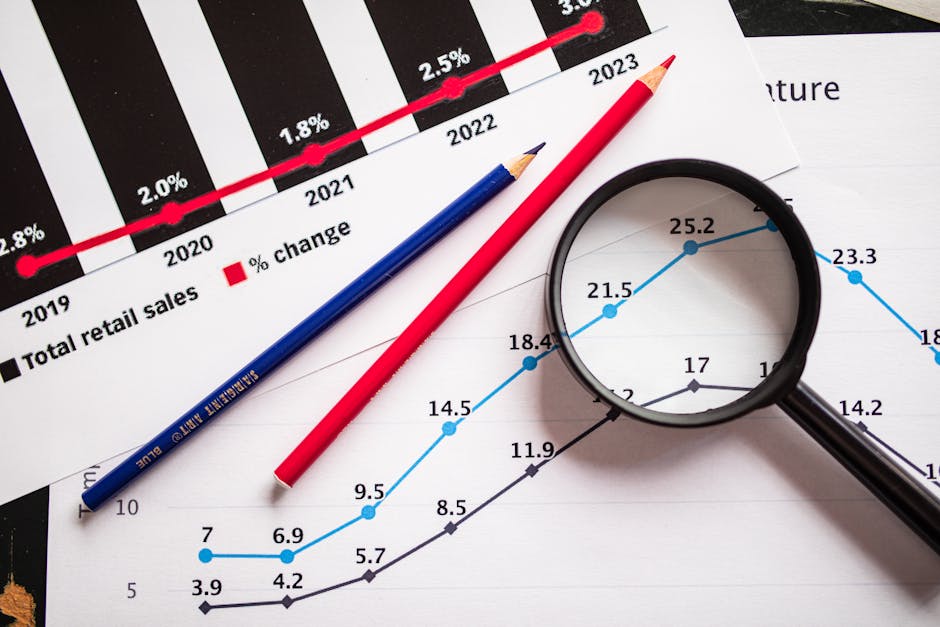
The evolution of AI-Driven Demand Forecasting represents a fundamental shift in how merchandising strategy is executed across the retail sector. Rather than relying solely on last year's performance or buyer intuition, AI-powered systems analyze vast datasets encompassing customer behavior, social media trends, weather patterns, economic indicators, and competitive activity to generate accurate predictions at the SKU level. For fashion retailers managing thousands of products across multiple channels, this technology provides the granular visibility needed to optimize product assortment planning and align inventory investments with actual market demand.
Understanding AI-Driven Demand Forecasting in Fashion Retail Context
At its core, AI-Driven Demand Forecasting applies machine learning algorithms to predict future customer demand for specific products, styles, colors, and sizes across different locations and channels. Unlike traditional statistical forecasting that relies on linear models and assumptions of stable patterns, AI systems can detect complex, non-linear relationships within data and adapt to changing market conditions in real time. For merchandising teams, this means moving beyond simple trend extrapolation to understanding the multifaceted factors that influence purchase decisions in fashion retail.
The technology leverages multiple data sources simultaneously. Point-of-sale transaction data provides baseline sales velocity, while customer analytics reveal demographic preferences and shopping patterns. Supply chain management systems contribute lead time variables and vendor performance metrics. External data streams including social media sentiment, fashion show coverage, celebrity endorsements, and local weather forecasts add contextual layers that traditional forecasting models cannot accommodate. Machine learning algorithms synthesize these disparate inputs to generate demand predictions with accuracy levels that typically exceed human forecasters by 20-50% in controlled studies.
For fashion retailers specifically, AI-Driven Demand Forecasting addresses the unique challenge of short product lifecycles and seasonal variability. A summer dress collection has perhaps eight to twelve weeks to achieve target sell-through rates before markdown pressure begins. Retail Predictive Analytics powered by AI can identify which styles will resonate with customers in the critical first weeks, enabling merchandising teams to adjust open-to-buy allocations, accelerate reorders on winners, and minimize exposure to underperformers before they consume valuable weeks of supply.
Why AI-Driven Demand Forecasting Matters for Your Business
The financial impact of improved forecasting accuracy extends across every aspect of retail operations. Overstock situations force premature markdowns that erode gross margins, while stockouts on popular items represent immediate lost sales and potential long-term customer defection to competitors. Industry research indicates that fashion retailers typically operate with forecast accuracy rates between 60-75% using traditional methods. Even modest improvements in accuracy translate to significant financial gains when applied across thousands of SKUs and multiple selling seasons.
Consider the cascading effects on inventory optimization. When demand forecasts are accurate, merchandising teams can right-size initial buys, reducing the capital tied up in excess inventory. Distribution centers operate more efficiently with balanced stock levels rather than dealing with congestion from slow-moving products. Store teams spend less time on markdown management and more time on customer service. The entire supply chain management function operates with reduced friction when product flow aligns with actual demand patterns.
Beyond financial metrics, AI-Driven Demand Forecasting enables strategic capabilities that manual forecasting simply cannot match. In-season reforecasting allows merchandising teams to update predictions weekly or even daily as new sales data becomes available, providing the agility to respond to emerging trends or unexpected market shifts. Scenario planning capabilities let retailers model the demand impact of different promotional strategies, pricing changes, or competitive actions before committing resources. For companies operating across multiple markets, AI systems can identify local preferences and optimize assortment planning at the regional or store level rather than applying one-size-fits-all strategies.
Key Components and Technologies Behind the System
Understanding the technical architecture helps demystify how these systems generate their predictions. Most AI-Driven Demand Forecasting solutions employ ensemble methods that combine multiple algorithm types rather than relying on a single approach. Time series algorithms like ARIMA and Prophet handle seasonal patterns and cyclical trends. Gradient boosting machines and random forests capture complex variable interactions. Deep learning neural networks identify subtle patterns in large, unstructured datasets like images and text.
The data infrastructure supporting these algorithms is equally critical. Successful implementations require clean, integrated data from across the organization. Point-of-sale systems must feed transaction data in near real-time. Inventory management systems provide current stock positions and replenishment schedules. Customer relationship management platforms contribute loyalty program data and customer segmentation insights. Product information management systems supply attribute data that allows the AI to understand similarities between items and transfer learnings across related SKUs.
For retailers beginning their journey with AI solution development, cloud-based platforms have dramatically reduced the technical barriers to entry. Modern solutions offer pre-built connectors to common retail systems, pre-trained models that understand fashion retail dynamics, and user interfaces designed for merchandising professionals rather than data scientists. This democratization of AI technology means that mid-size retailers can now access capabilities that were previously available only to the largest players with extensive technology development budgets.
Getting Started: A Practical Implementation Roadmap
For fashion retailers ready to implement AI-Driven Demand Forecasting, a phased approach minimizes risk while building organizational capabilities and confidence. The initial phase focuses on establishing data foundations and running pilot programs in controlled categories. Select a product category with sufficient sales history, manageable complexity, and meaningful business impact. Accessories or basics like t-shirts often work well as pilot categories because they have more stable demand patterns than fashion-forward apparel while still representing significant revenue.
During the pilot phase, run AI forecasts in parallel with existing forecasting processes rather than replacing them immediately. This shadow operation allows merchandising teams to evaluate AI predictions against their traditional methods and actual results without betting the business on untested technology. Track not just overall accuracy but also the system's performance across different scenarios—new product introductions, promotional periods, seasonal transitions. Document the learning process as your team develops fluency in interpreting AI outputs and understanding when and why the system performs well or struggles.
The second phase expands successful pilots to additional categories while beginning to integrate AI forecasts into operational processes. Inventory Optimization AI becomes most valuable when forecasts directly inform replenishment decisions, open-to-buy budgets, and allocation strategies. Work with supply chain management teams to adjust lead times and order quantities based on AI predictions. Collaborate with marketing to align promotional planning with forecasted demand spikes rather than creating artificial peaks that distort inventory flows. This integration phase typically reveals process bottlenecks and organizational silos that need addressing for the technology to deliver its full potential.
As the system matures, focus shifts to continuous improvement and advanced capabilities. Incorporate feedback loops where merchandising team insights enhance AI predictions rather than competing with them. A buyer's knowledge that a particular influencer partnership will drive demand for specific styles provides signal that the AI should weight heavily. Similarly, when human forecasters consistently outperform AI in specific scenarios, investigate what information or context the system is missing and work to incorporate those inputs. The most effective implementations treat AI-Driven Demand Forecasting as a collaborative tool that augments human judgment rather than replacing it entirely.
Measuring Success and Building Organizational Adoption
Defining clear success metrics from the outset establishes accountability and demonstrates value to stakeholders across the organization. Forecast accuracy improvement is the foundational metric, typically measured as mean absolute percentage error (MAPE) or weighted absolute percentage error (WAPE) at the SKU-week level. However, accuracy alone doesn't capture business impact. Track operational metrics like weeks of supply, sell-through rates at full price, markdown percentages, and stockout frequency to demonstrate how better forecasts translate to better business outcomes.
Financial metrics provide the ultimate validation. Calculate the impact on gross margin return on investment as forecasting improvements enable better inventory allocation. Measure working capital reduction as excess inventory decreases. Quantify lost sales recovery as stockout situations decline. For most fashion retailers, even a 5-point improvement in forecast accuracy can generate millions in annual gross margin improvement when applied across the full assortment.
Building organizational adoption requires addressing both technical and cultural dimensions. Merchandising teams may initially view AI systems with skepticism, particularly if they've experienced previous technology implementations that promised much but delivered little. Transparent communication about how the system works, what data it uses, and why it makes specific predictions builds trust over time. Regular review sessions where merchandising teams and data science teams jointly analyze forecast performance and discuss adjustments foster collaboration and shared ownership of results.
Conclusion
The transformation of demand forecasting from an art based on experience and intuition to a science powered by artificial intelligence represents one of the most significant opportunities in fashion retail today. Companies that successfully implement AI-Driven Demand Forecasting gain competitive advantages in inventory productivity, customer satisfaction, and financial performance that compound over time. While the technology has become more accessible, successful implementation still requires careful planning, organizational alignment, and commitment to continuous learning. For retailers beginning this journey, starting with focused pilots, building data foundations, and fostering collaboration between merchandising and technology teams creates the conditions for sustainable success. As the industry continues to evolve with faster trend cycles and more demanding customers, Generative AI for Retail technologies are expanding forecasting capabilities even further, enabling retailers to simulate future scenarios and optimize strategies before committing resources. The question is no longer whether to adopt AI-powered forecasting, but how quickly you can build the capabilities to compete effectively in an increasingly data-driven marketplace.


Comments
Post a Comment