AI Cloud Infrastructure FAQ: CPG Industry Expert Answers
Consumer packaged goods companies face increasingly complex technology decisions as they modernize trade promotion management systems, implement advanced demand forecasting capabilities, and optimize promotional strategies across multiple retailers. The convergence of artificial intelligence and cloud computing promises significant improvements in promotional lift, more efficient trade fund allocation, and better category management outcomes. Yet CPG professionals—from trade promotion analysts to category directors to IT leaders—have numerous questions about how to implement these technologies effectively in their specific operational contexts.
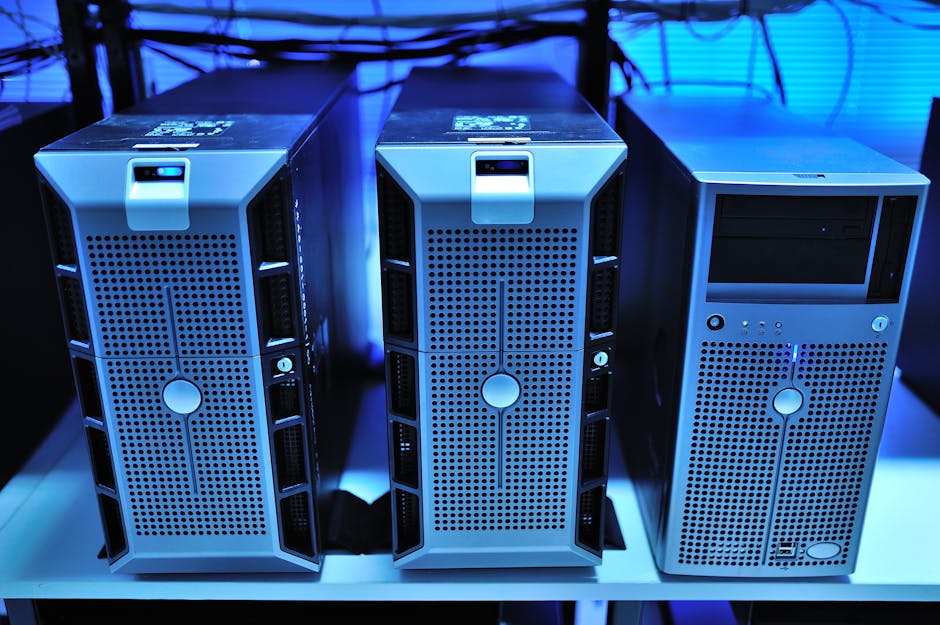
This comprehensive FAQ addresses the most common and most critical questions about implementing AI Cloud Infrastructure for consumer goods businesses. Drawing on implementations at companies like Coca-Cola, PepsiCo, and Unilever, these answers provide practical guidance for CPG organizations at every stage of their infrastructure modernization journey, from initial planning through production deployment of AI-powered promotional analytics and demand planning systems.
Getting Started: Foundational Questions
What exactly is AI Cloud Infrastructure in a CPG context?
AI Cloud Infrastructure refers to the combination of cloud computing platforms (AWS, Azure, Google Cloud) and artificial intelligence capabilities specifically configured to support CPG business operations. In practical terms, this means scalable computing resources that can process massive volumes of scan data, train demand forecasting models on historical promotional performance, optimize trade fund allocation across retailers and time periods, and deliver real-time insights to category managers and trade promotion planners. Unlike traditional on-premises systems, cloud infrastructure scales automatically during peak periods—like processing scan data after a major promotional event or running thousands of promotional scenarios during annual trade planning cycles.
Why can't we just keep using our existing TPM systems?
Legacy TPM systems excel at transaction processing and record-keeping but lack the computational power and AI capabilities needed for modern promotional optimization. Traditional systems can tell you what happened with past promotions but struggle to predict promotional lift for future events, especially when analyzing complex interactions between promotion type, timing, competitive activity, and retailer-specific factors. AI Cloud Infrastructure enables predictive capabilities that legacy systems cannot match: forecasting demand at SKU-store-week level, calculating incrementality before committing trade funds, and optimizing promotional calendars across entire categories simultaneously. Companies that have migrated from legacy TPM to cloud-based AI systems typically see 10-20% improvements in promotional ROAS within the first year.
Which cloud platform is best for CPG operations?
All three major platforms—AWS, Azure, and Google Cloud—can support CPG requirements, but the best choice depends on your specific situation. AWS offers the deepest ecosystem of retail-specific tools and the most extensive integration with scan data providers like Nielsen and IRI. Companies starting fresh with no existing cloud commitments often choose AWS. Azure makes sense for CPG organizations already invested in Microsoft ecosystems, particularly those using Excel extensively for trade promotion planning and category reviews. Google Cloud excels at real-time analytics and has superior tools for incrementality testing and promotional lift analysis. Many large CPG companies ultimately adopt multi-cloud strategies, using different platforms for different workloads based on each platform's strengths.
Implementation and Architecture Questions
How long does it take to implement AI Cloud Infrastructure for trade promotions?
Implementation timelines vary significantly based on scope and organizational readiness. A focused implementation covering demand forecasting for a single category across one retailer can be operational in 3-4 months. A comprehensive deployment replacing legacy TPM systems and implementing AI Demand Forecasting across all categories and major retailers typically requires 12-18 months. The critical path items are data integration (connecting EDI feeds, scan data sources, and promotional history), model development (building and validating forecasting algorithms specific to your categories), and change management (training trade promotion analysts and category managers on new workflows). Companies that underestimate the change management component often experience deployment delays even when the technology is ready.
What data do we need to make AI Cloud Infrastructure effective?
Effective AI systems for CPG require several data categories. Historical scan data covering at least two years provides the foundation for demand forecasting models, ideally at store-SKU-week granularity. Promotional history including promotion type, discount depth, merchandising support (display, feature, both), and timing allows models to learn promotional response patterns. Retailer-specific data like store traffic, demographics, and competitive sets improves forecast accuracy for retailer collaboration planning. External data sources—weather, holidays, events, competitive promotional calendars—further enhance model performance. Most CPG companies discover they have adequate data volume but need to invest in data cleaning and standardization before AI models can leverage it effectively. Cloud TPM Solutions handle this data integration challenge by providing pre-built connectors for common CPG data sources.
How do we integrate AI Cloud Infrastructure with existing ERP and TPM systems?
Integration follows one of three patterns depending on your modernization strategy. Coexistence maintains legacy TPM systems for transaction processing while adding cloud-based AI for analytics and forecasting, with nightly batch synchronization of promotional data. This approach minimizes disruption but requires maintaining two systems. Gradual replacement migrates one capability at a time—starting with demand forecasting, then promotional optimization, finally transaction processing—allowing IT teams and business users to adapt progressively. Complete replacement implements a new cloud-native TPM system with integrated AI from the start, providing the best long-term architecture but requiring the most organizational change. Most Fortune 500 CPG companies choose gradual replacement, migrating category by category or retailer by retailer to manage risk and capture learning across the organization.
Advanced Technical and Strategic Questions
How do we ensure AI forecasts are accurate enough for trade fund allocation decisions?
Forecast accuracy in CPG operations requires continuous monitoring and improvement. Start by establishing baseline accuracy metrics from your current demand planning process—most CPG companies operate with MAPE (Mean Absolute Percentage Error) between 15-30% depending on category volatility and promotional intensity. AI Cloud Infrastructure should improve on this baseline by at least 20% to justify the investment. Implementation best practices include backtesting forecasting models on historical data before production deployment, implementing A/B testing where AI forecasts run parallel to human forecasts for several promotional cycles, and establishing feedback loops where actual promotional results automatically retrain forecasting models. Companies like Nestlé have achieved demand forecast accuracy improvements of 30-40% by implementing these practices systematically across their category management organizations.
What about data security and retailer confidentiality?
Data security is paramount in CPG operations where retailer-specific scan data and promotional agreements represent competitive intelligence. AI Cloud Infrastructure implementations must include encryption for data at rest and in transit, role-based access controls ensuring trade promotion analysts only see data for their assigned retailers and categories, and audit logging tracking every access to sensitive retailer data. All three major cloud platforms offer compliance certifications required for retail operations (SOC 2, ISO 27001) and provide tools for implementing data residency requirements when retailers mandate that their data remain in specific geographic regions. Building retailer-specific data sandboxes within your cloud infrastructure—where Walmart data never mixes with Target data, for example—addresses confidentiality concerns that might otherwise prevent retailer collaboration on joint business planning initiatives.
How do we develop custom AI solutions for our specific business needs?
While pre-built solutions address common CPG use cases like baseline demand forecasting and promotional lift prediction, most companies eventually need capabilities tailored to their specific categories, retailers, or promotional strategies. Engaging with specialists in building tailored AI applications accelerates development of custom solutions while ensuring they follow cloud infrastructure best practices. Custom development typically focuses on category-specific nuances—beverages respond differently to promotions than frozen foods, requiring different model architectures—or retailer-specific requirements like optimizing promotional calendars for retailers with unique merchandising cycles. Building internal AI capabilities through training and hiring data scientists with CPG domain expertise represents a multi-year investment that pays dividends as AI becomes central to trade promotion management and category strategy.
What does it cost to implement and operate AI Cloud Infrastructure?
Costs span several categories with different characteristics. Initial implementation includes cloud platform fees during development (typically $50K-200K for a meaningful pilot), data integration costs (often the largest component at $200K-500K depending on legacy system complexity), and consulting or system integrator fees ($300K-1M+ for comprehensive deployments). Ongoing operational costs include cloud computing charges (highly variable based on data volume and model complexity, typically $10K-100K monthly for mid-size CPG companies), data licensing fees for scan data and market intelligence, and personnel costs for data scientists, cloud engineers, and TPM analysts using the new systems. Most CPG organizations structure business cases around promotional ROAS improvement, with successful implementations delivering 10-20% ROAS increases that generate 5-10x returns on total AI Cloud Infrastructure investment within 2-3 years.
Organizational and Change Management Questions
How do we build internal expertise to manage these systems?
Building AI Cloud Infrastructure capabilities requires a combination of training existing staff and hiring new expertise. Trade promotion analysts need training on interpreting AI-generated insights and using cloud-based analytical tools, typically requiring 40-60 hours of training over 3-6 months. Category managers need executive-level understanding of AI capabilities and limitations to make strategic decisions about promotional strategies, achievable through focused workshops and hands-on pilot projects. IT organizations need cloud engineering skills and MLOps expertise, often requiring hiring experienced cloud architects and data engineers from other industries. Leading CPG companies establish centers of excellence that combine business domain experts from trade promotion and category management with technical experts in AI and cloud infrastructure, creating cross-functional teams that speak both languages and can translate business requirements into technical solutions.
What about smaller CPG companies—is this only for large enterprises?
While initial implementations at Procter & Gamble and Unilever required significant investment and custom development, the CPG technology ecosystem now offers solutions appropriate for companies of all sizes. Cloud platforms provide pay-as-you-go pricing that eliminates the massive upfront infrastructure investments of previous technology generations. Emerging vendors offer Cloud TPM Solutions specifically designed for mid-market CPG companies, with pre-built integrations to common data sources and out-of-box forecasting models that require minimal customization. Small CPG companies can start with focused implementations—like optimizing promotions for their top three SKUs at their largest retailer—for under $100K initial investment. The economics favor cloud-based AI even for smaller organizations because the alternative of continuing to rely on intuition and spreadsheets for trade fund allocation inevitably leads to promotional inefficiency that costs far more than implementing better technology.
Future Outlook and Advanced Applications
What's next for AI Cloud Infrastructure in CPG?
The next generation of capabilities moves beyond promotional optimization to address broader merchandising execution and new product launch planning challenges. Real-time promotional optimization will automatically adjust trade fund allocation and promotional tactics during promotional periods based on early scan data signals, shifting spend from underperforming promotions to those exceeding expectations. Generative AI will create promotional plans by analyzing thousands of historical promotions and generating recommended promotional calendars that maximize category profit while meeting retailer objectives. Shelf optimization algorithms will integrate with retailer planogram systems to recommend category layouts that maximize both retailer and manufacturer objectives simultaneously. These advanced applications build on the foundation of AI Cloud Infrastructure, taking advantage of the scalable computing power and integrated data pipelines that forward-thinking CPG companies are implementing today.
How does this connect to broader AI Trade Promotion Optimization initiatives?
AI Cloud Infrastructure provides the technological foundation that makes comprehensive promotional optimization possible. While legacy systems could handle individual optimization problems in isolation—forecast demand OR optimize promotional calendar OR allocate trade funds—cloud infrastructure enables solving these problems together, considering interactions and tradeoffs across the entire trade promotion value chain. Promotional Lift Analytics running on cloud infrastructure identifies which promotion types drive true incrementality versus merely shifting purchases across time. This analytical foundation then informs trade fund allocation decisions, promotional calendar planning, and retailer collaboration strategies. Organizations that recognize AI Cloud Infrastructure not as an IT modernization project but as strategic enabler of next-generation promotional effectiveness achieve far greater business value from their technology investments.
Conclusion
Implementing AI Cloud Infrastructure represents a significant undertaking for CPG organizations, touching technology systems, business processes, and organizational capabilities simultaneously. The questions addressed in this FAQ reflect the real concerns and challenges that trade promotion leaders, category managers, and technology executives face as they navigate this transformation. Success requires balancing ambition with pragmatism—starting with focused implementations that demonstrate value while building toward comprehensive platforms that fundamentally improve promotional effectiveness and category profitability. Companies that thoughtfully address the technical, organizational, and strategic dimensions of AI Trade Promotion Optimization position themselves to capture substantial competitive advantages in an increasingly complex retail environment where data-driven promotional decisions separate market leaders from laggards. The infrastructure choices made today will determine which CPG companies thrive in the next decade of retail evolution, making it essential to ask the right questions and implement solutions that deliver both immediate tactical improvements and long-term strategic capabilities.


Comments
Post a Comment