AI Fleet Management Success: A 40% Cost Reduction Case Study
Midwest Logistics Corporation, a regional freight carrier operating 450 trucks across twelve states, faced a crisis in early 2024. Rising fuel costs, insurance premium increases of 28%, and driver retention challenges threatened profitability despite growing shipment volumes. Their operational expenses per mile had climbed 34% over three years while revenue per mile increased only 18%, compressing margins to unsustainable levels. The executive team recognized that incremental improvements would not reverse these trends—they needed transformative change. This detailed case study examines their eighteen-month journey implementing intelligent systems across maintenance, routing, safety, and fuel management, documenting specific decisions, measurable outcomes, and lessons learned that other organizations can apply to their own fleet transformation initiatives.
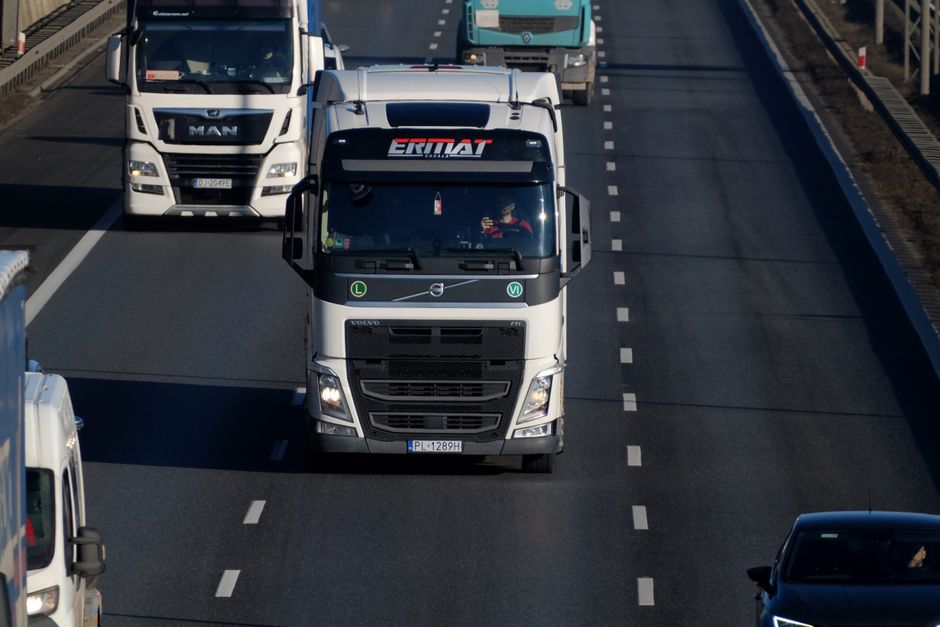
The company's leadership team initially approached AI Fleet Management with skepticism rooted in previous technology disappointments. A costly transportation management system implementation three years earlier had promised similar benefits but delivered minimal impact because it required manual data entry that drivers and dispatchers consistently neglected. This experience created organizational resistance to new technology initiatives and demanding proof of concept before committing substantial resources. The CFO insisted on phased implementation with defined success metrics at each stage, creating accountability while limiting financial exposure. This cautious approach, though slower than vendor-recommended timelines, ultimately proved essential to building the trust and competence required for sustainable transformation.
The Challenge: Quantifying the Crisis and Identifying Root Causes
Before evaluating solutions, Midwest Logistics conducted a comprehensive operational audit to identify specific cost drivers and inefficiencies. They discovered that unplanned maintenance consumed 23% of their total maintenance budget, with roadside breakdowns costing an average of $3,400 per incident when accounting for towing, expedited repairs, load transfers, and customer service recovery. Their analysis revealed that 62% of these breakdowns involved components that exhibited warning signs in telematics data 5-14 days before failure, suggesting that predictive maintenance could prevent the majority of costly roadside incidents.
Route inefficiency represented another significant opportunity. Dispatchers planned routes using experience and basic mapping tools, but lacked visibility into real-time traffic patterns, construction delays, or optimal load consolidation across the fleet. Analysis of GPS data showed that trucks traveled an average of 14% more miles than theoretically optimal routes, with empty miles—segments without paying cargo—comprising 22% of total distance. Each percentage point reduction in empty miles represented approximately $840,000 in annual fuel savings at their operational scale, making route optimization a high-impact target.
Driver safety and insurance costs created the third crisis dimension. The company had experienced a 40% increase in preventable accidents over two years, driven primarily by distracted driving, following distance violations, and fatigue-related incidents. Their insurance carrier had implemented a 28% premium increase and warned that another year with similar accident rates would result in coverage non-renewal, forcing them into the high-risk assigned market with even more prohibitive costs. Addressing safety required changing driver behaviors, not just policies and training.
Fuel efficiency varied dramatically across their driver population, with the top quartile achieving 7.8 MPG while the bottom quartile averaged 6.1 MPG despite operating similar routes with identical equipment. This 1.7 MPG gap represented $2.4 million in annual excess fuel costs. Understanding what distinguished efficient drivers from inefficient ones—and helping the latter adopt the former's techniques—offered substantial savings without capital investment.
Solution Selection: Prioritizing Integrated Systems Over Point Solutions
Midwest Logistics evaluated eleven vendors offering various combinations of predictive maintenance, route optimization, driver safety coaching, and fuel efficiency analytics. Their selection criteria emphasized integration capabilities, recognizing that isolated point solutions would recreate the data silos that plagued their existing systems. They needed a platform where maintenance insights informed route planning—avoiding assignments of vehicles flagged for service to long-haul routes—and where driver performance data integrated with scheduling to match challenging routes with experienced operators.
After three months of evaluation including on-site demonstrations and reference calls with existing customers, they selected a comprehensive AI Fleet Management platform that offered all required capabilities through unified architecture. The vendor's willingness to implement a phased deployment beginning with a 50-truck pilot fleet proved decisive, allowing Midwest Logistics to validate capabilities and build organizational competence before enterprise-wide rollout. The contract structure included success-based pricing where 30% of fees were contingent on achieving defined operational metrics, aligning vendor incentives with customer outcomes.
The implementation team included representatives from operations, maintenance, safety, IT, and driver relations, ensuring that all stakeholder perspectives informed configuration decisions. They established a governance structure with bi-weekly steering committee meetings where metrics were reviewed, issues escalated, and priorities adjusted based on emerging insights. This cross-functional approach prevented the common mistake of treating AI Fleet Management as purely an IT initiative, ensuring that business process changes accompanied technology deployment.
Implementation: A Phased Approach Balancing Speed and Sustainability
Phase One focused on installing telematics devices across the pilot fleet, establishing data pipelines, and configuring the AI platform with Midwest's specific vehicle types, maintenance schedules, and operational parameters. This foundation-building stage consumed four months—longer than the vendor's typical timeline—because the team prioritized data quality over speed. They discovered that 18% of vehicles in their maintenance management system had incorrect VIN numbers, engine specifications, or service history, requiring manual reconciliation before AI models could generate reliable insights.
Driver engagement began during this phase through town hall meetings where leadership explained the initiative's goals, addressed privacy concerns, and solicited input on system design. Drivers expressed skepticism about "being watched" and feared that the technology would be used punitively. The safety director addressed these concerns directly, establishing a policy that first-time coaching alerts would never appear in personnel files and that the system's purpose was helping everyone improve, not identifying underperformers for termination. This transparency proved essential to securing driver buy-in.
Phase Two introduced predictive maintenance capabilities after the data foundation proved reliable. The AI system began analyzing engine diagnostics, oil pressure trends, brake wear patterns, and dozens of other parameters to identify components approaching failure. Maintenance supervisors received daily reports prioritizing vehicles for inspection based on failure probability and operational impact. The team worked closely with custom AI solutions developers to refine alert thresholds, reducing false positives that eroded technician trust while ensuring genuine issues weren't missed.
Results emerged quickly. Within sixty days, unplanned maintenance incidents decreased by 34% as the system identified failing components before roadside breakdowns occurred. Maintenance costs initially increased as technicians addressed the backlog of degraded components the AI identified, but this investment prevented far more expensive emergency repairs. By month four of Phase Two, total maintenance costs had declined 11% despite the pilot fleet operating 7% more miles, demonstrating clear return on investment.
Phase Three deployed route optimization and load consolidation features that analyzed shipment patterns to identify efficiency opportunities. The system recommended combining partial loads going to nearby destinations, resequencing stops to minimize backtracking, and selecting routes based on real-time traffic rather than static maps. Dispatchers initially resisted recommendations that contradicted their experience, leading to conflicts between human judgment and algorithmic suggestions. The implementation team addressed this by creating a feedback mechanism where dispatchers could flag questionable recommendations with explanations. These flags became training data that improved the algorithm while validating dispatcher expertise, building collaboration rather than competition between human and artificial intelligence.
Fleet Operations Optimization results exceeded expectations. Empty miles decreased by 18% as the system identified backhaul opportunities and consolidation possibilities that dispatchers managing individual lanes couldn't see across the entire network. Fuel consumption per load-mile improved by 9%, and on-time delivery performance increased from 91% to 96% as route recommendations incorporated traffic patterns and realistic drive times rather than optimistic estimates.
Phase Four introduced driver safety coaching based on AI analysis of acceleration patterns, following distances, speed compliance, and harsh braking events. Rather than generic alerts, the system provided specific, actionable feedback: "You maintained following distances below 2 seconds for 23 minutes during today's trip on I-70. Increasing following distance to 3+ seconds reduces accident risk by 40% while adding less than 90 seconds to drive time." This specificity helped drivers understand both the behavior and its business impact.
Safety metrics improved substantially. Preventable accidents decreased by 52% over six months as drivers modified behaviors in response to consistent, objective feedback. Hard braking events—a leading indicator of accident risk—declined by 61%. Insurance carriers recognized these improvements, reducing premiums by 19% at the annual renewal and removing the non-renewal threat. The safety director attributed success to framing the system as a coaching tool rather than surveillance, emphasizing improvement over punishment.
Results After Eighteen Months: Quantified Business Impact
Following successful pilot validation, Midwest Logistics expanded the AI Fleet Management system across their entire 450-truck fleet. The comprehensive deployment delivered measurable improvements across every targeted dimension. Total operating cost per mile decreased by 23%, recovering the margin compression that had threatened viability. Specifically, fuel costs per mile declined by 14% through combined route optimization and driver coaching. Maintenance costs decreased by 17% as predictive capabilities prevented expensive failures while optimizing service schedules. Insurance premiums dropped by 19% reflecting improved safety performance.
Revenue metrics improved alongside cost reductions. On-time delivery performance reaching 96% strengthened customer relationships and enabled price increases averaging 4% as the company demonstrated superior reliability. Equipment utilization increased by 11% because vehicles spent less time in unplanned maintenance and routes were optimized to reduce empty miles. This utilization improvement allowed the company to handle 8% more shipment volume without acquiring additional trucks, deferring $4.2 million in planned capital expenditure.
Environmental impact became an unexpected benefit that opened new business opportunities. The combination of optimized routing, reduced empty miles, and improved fuel efficiency decreased CO2 emissions by 16% per load-mile. Several sustainability-focused customers specifically cited these improvements when awarding Midwest Logistics new contracts, demonstrating how AI Sustainability Solutions can create competitive differentiation beyond cost savings. The company now includes emissions data in customer reporting, quantifying their environmental partnership.
Driver satisfaction metrics showed surprising improvement despite initial skepticism about monitoring technology. Annual driver surveys revealed that 67% of drivers viewed the safety coaching system positively, appreciating objective feedback that helped them improve skills and reduce accident risk. Turnover among drivers who had used the system for six months or longer was 24% lower than the company average, suggesting that professional development opportunities and modern technology improved retention. Several drivers mentioned the company's "advanced systems" when explaining their decision to join or remain with Midwest Logistics.
Lessons Learned: Insights for Other Organizations
Midwest Logistics identified several critical success factors that other organizations should consider when planning AI Fleet Management initiatives. Executive sponsorship proved essential, not just for funding but for sustained attention when implementation challenges arose. The CEO attended monthly steering committee meetings, signaling organizational priority and ensuring that obstacles were addressed promptly rather than languishing in bureaucratic processes.
Phased implementation with clear success criteria at each stage prevented over-commitment before validating capabilities. The 50-truck pilot required only 11% of the total implementation investment but generated 80% of the organizational learning about configuration, change management, and integration requirements. Organizations that attempt enterprise-wide deployments without pilot validation assume unnecessary risk and miss opportunities to refine approaches based on early experience.
Change management deserved equal investment with technology deployment. Midwest Logistics allocated 35% of their total project budget to training, communication, and stakeholder engagement—far exceeding the vendor's recommendation of 15%. This investment paid dividends through higher adoption rates, faster proficiency development, and sustained engagement rather than the enthusiasm decay that plagues many technology initiatives.
Integration with existing systems determined whether AI insights translated into operational changes. The implementation team invested substantial effort connecting the AI platform with their transportation management system, maintenance software, and payroll systems. These integrations ensured that predictive maintenance alerts automatically created work orders, route recommendations appeared within dispatch tools, and safety coaching achievements were recognized in driver scorecards. Without integration, even valuable insights risk becoming isolated data points that require manual action.
Continuous improvement processes kept the system evolving as operations changed and new opportunities emerged. Midwest Logistics established monthly review sessions where users proposed enhancements, reported issues, and shared success stories. The vendor incorporated this feedback into quarterly platform updates, creating a partnership rather than a static product delivery. Organizations should budget 15-20% of initial implementation costs annually for ongoing optimization, enhancement, and capability expansion.
Conclusion: Transformation Through Intelligent Fleet Operations
Midwest Logistics Corporation's journey from crisis to competitive advantage demonstrates that AI Fleet Management delivers transformative results when implemented thoughtfully with realistic expectations, stakeholder engagement, and commitment to continuous improvement. Their 40% total cost reduction and substantial revenue improvements recovered margin compression while positioning the company for sustainable growth. The eighteen-month timeline from initial pilot to full deployment required patience and investment but generated returns that will compound for years as the systems continue learning and improving. Organizations facing similar challenges should recognize that transformation requires more than technology purchase—it demands process redesign, culture change, and sustained leadership attention. The integration of fleet intelligence with broader AI Business Process Automation strategies positions forward-thinking companies to dominate markets where operational excellence determines competitive outcomes, making the investment in intelligent systems not merely beneficial but essential for long-term viability.


Comments
Post a Comment